
What Are Idioms in English: Common Mistakes and Better Alternatives
Understanding what are idioms in English is crucial for effective communication, yet many learners and even native speakers stumble over their usage. Idioms are phrases with figurative meanings, making them powerful tools for expressing complex ideas—but also potential pitfalls when misused. This guide breaks down their role, highlights frequent errors, and offers clearer approaches.
What Exactly Are Idioms in English?
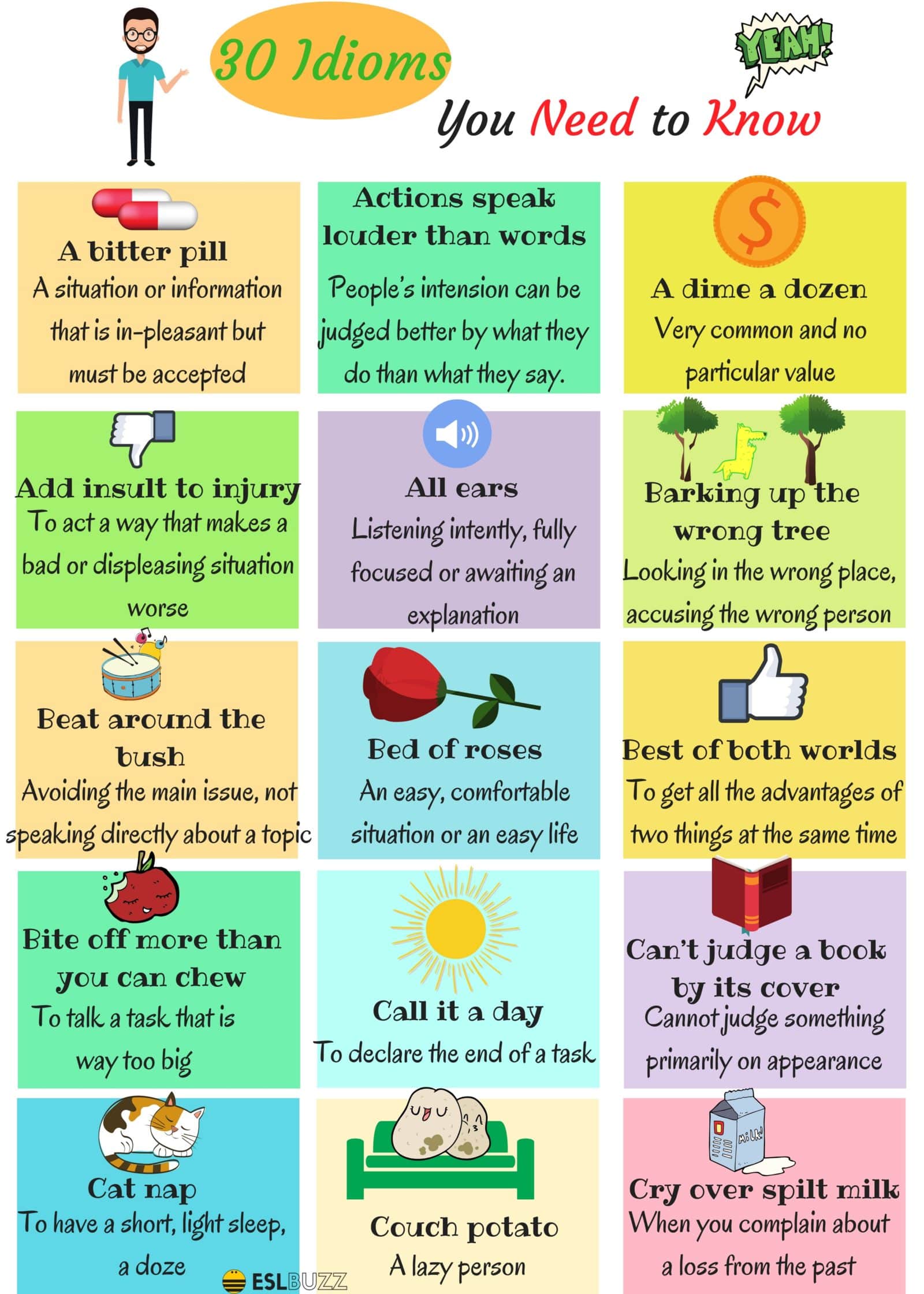
An idiom is a fixed expression whose meaning differs from the literal interpretation of its individual words. For instance, "it’s raining cats and dogs" does not refer to pets in need, but rather a heavy rainfall. These expressions often stem from historical, cultural, or metaphorical origins, embedding layers of meaning into everyday speech.
Common Mistakes When Using Idioms
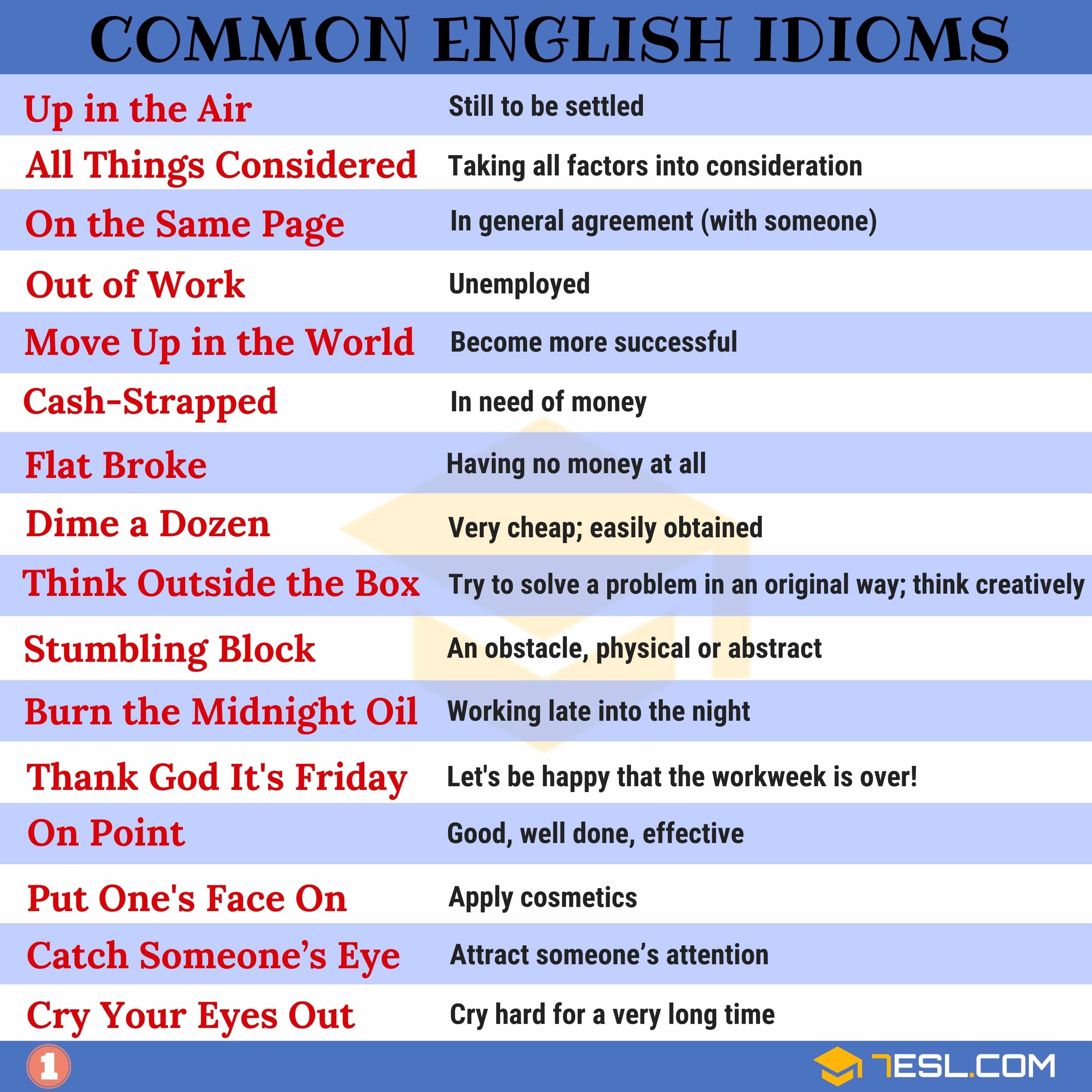
One frequent error is literal translation. Non-native speakers might interpret "spill the beans" as a cooking instruction, unaware it means revealing a secret. Another pitfall is overuse or misapplication: using "break a leg" in formal writing or inappropriate contexts. Additionally, idioms paired with wrong prepositions ("by and large" misused as "by large") confuse listeners. These mistakes can obscure meaning instead of clarifying intent.
Smarter Alternatives for Clearer Communication
When precision matters, consider replacing idioms with straightforward language. For example, instead of "let’s touch base later," say "let’s discuss this later." If your audience is mixed, avoid regional idioms like "buck" for "dollar" or "chuffed" for "pleased," which may not translate universally. Modern contexts also favor brevity: swap "at the end of the day" with "ultimately" to avoid redundancy.
When to Use Idioms in Conversation
Idioms thrive in informal settings, adding color to casual exchanges—like saying "raining buckets" during small talk. However, in professional or written communication, they risk sounding cliché or unprofessional. For example, "circle back" in emails is often replaced by "follow up." Always gauge your audience: idioms can build rapport among familiar listeners but alienate those still learning the language.
Mastering Idioms Without Overcomplicating
Adopting idioms effectively requires balance. Start by learning a handful of high-frequency phrases, such as "hit the ground running" or "piece of cake," and practice using them in context. Resources like ESLBUZZ’s idiom lists or 7esl’s cheat sheets provide structured examples. Over time, their intuitive use will enhance fluency—just avoid forcing them into every sentence.
Understanding what are idioms in English is crucial for effective communication, yet many learners and even native speakers stumble over their usage. Idioms are phrases with figurative meanings, making them powerful tools for expressing complex ideas—but also potential pitfalls when misused. This guide breaks down their role, highlights frequent errors, and offers clearer approaches.
What Exactly Are Idioms in English?
An idiom is a fixed expression whose meaning differs from the literal interpretation of its individual words. For instance, "it’s raining cats and dogs" does not refer to pets in need, but rather a heavy rainfall. These expressions often stem from historical, cultural, or metaphorical origins, embedding layers of meaning into everyday speech.
Common Mistakes When Using Idioms
One frequent error is literal translation. Non-native speakers might interpret "spill the beans" as a cooking instruction, unaware it means revealing a secret. Another pitfall is overuse or misapplication: using "break a leg" in formal writing or inappropriate contexts. Additionally, idioms paired with wrong prepositions ("by and large" misused as "by large") confuse listeners. These mistakes can obscure meaning instead of clarifying intent.
Smarter Alternatives for Clearer Communication
When precision matters, consider replacing idioms with straightforward language. For example, instead of "let’s touch base later," say "let’s discuss this later." If your audience is mixed, avoid regional idioms like "buck" for "dollar" or "chuffed" for "pleased," which may not translate universally. Modern contexts also favor brevity: swap "at the end of the day" with "ultimately" to avoid redundancy.
When to Use Idioms in Conversation
Idioms thrive in informal settings, adding color to casual exchanges—like saying "raining buckets" during small talk. However, in professional or written communication, they risk sounding cliché or unprofessional. For example, "circle back" in emails is often replaced by "follow up." Always gauge your audience: idioms can build rapport among familiar listeners but alienate those still learning the language.
Mastering Idioms Without Overcomplicating
Adopting idioms effectively requires balance. Start by learning a handful of high-frequency phrases, such as "hit the ground running" or "piece of cake," and practice using them in context. Resources like ESLBUZZ’s idiom lists or 7esl’s cheat sheets provide structured examples. Over time, their intuitive use will enhance fluency—just avoid forcing them into every sentence.
56 Rare Idioms In English With Meanings And Examples • 7ESL

56 Rare Idioms in English with Meanings and Examples • 7ESL
8 Tricky Idioms About Money With Meanings Infographic
8 Tricky Idioms About Money With Meanings Infographic
Burn Bridges Idiom Meaning And Sentence - Infoupdate.org

Burn Bridges Idiom Meaning And Sentence - Infoupdate.org