
Mastering Idioms in English Worksheets: Practical Strategies and Examples
Idioms in English worksheets serve as a bridge between dictionary definitions and living language, helping learners decode the cultural nuances embedded in expressions. These worksheets offer structured practice, turning abstract phrases into relatable tools for communication. This approach is particularly valuable for students navigating the gap between formal instruction and spontaneous conversation.
Structured Practice Enhances Retention
Worksheets provide a predictable framework for engaging with idioms, allowing learners to focus on meaning rather than formatting. By isolating phrases like "break the ice" or "hit the sack," students can explore their origins and applications step-by-step. Repetition through targeted exercises reinforces memory, while fill-in-the-blank or matching activities build confidence. This method aligns with research on spaced repetition, where consistent exposure improves long-term recall.Applying Idioms in Context
Context transforms static vocabulary into active language. Worksheets that pair idioms with scenarios—like negotiating a deal or planning a party—encourage learners to visualize usage. For example, students might select "on the fly" to describe impromptu decision-making or "low-hanging fruit" for easy tasks. This approach mirrors how idioms naturally evolve in conversation, reducing the disconnect between classroom learning and real-world application.
Expanding Vocabulary with Less Common Idioms

While common idioms like "cost an arm and a leg" are essential, introducing rarer expressions broadens a learner’s communicative toolkit. Idioms such as "a penny for your thoughts" or "in the red" add subtlety and cultural depth. Worksheets can introduce these phrases through thematic clusters, like financial idioms, alongside quizzes or role-plays. This strategy prevents over-reliance on overused expressions, fostering more nuanced dialogue.
Balancing Breadth and Depth
Effective worksheets balance variety with focus. Covering 10–15 idioms per session ensures manageable exposure without overwhelming students. Prioritizing idioms tied to specific domains—like business jargon or casual slang—helps learners see immediate relevance. For instance, teaching "touch base" before "circle back" creates a logical progression in professional settings.Making Progress Measurable
Tracking idioms learned can be as simple as a checklist or digital quiz. Worksheets with self-assessment sections encourage metacognition, prompting learners to reflect on which expressions feel intuitive and which need revisiting. Apps that gamify idiom recognition—like matching games with time limits—add novelty while reinforcing retention.Ultimately, idioms in English worksheets are most effective when paired with active use outside structured exercises. Practicing phrases in conversations, journaling, or watching subtitled media allows learners to internalize their rhythm and nuance. The goal isn’t memorization but mastery through integration, ensuring idioms become second nature rather than rote entries in a notebook.
Idioms in English worksheets serve as a bridge between dictionary definitions and living language, helping learners decode the cultural nuances embedded in expressions. These worksheets offer structured practice, turning abstract phrases into relatable tools for communication. This approach is particularly valuable for students navigating the gap between formal instruction and spontaneous conversation.
Structured Practice Enhances Retention
Worksheets provide a predictable framework for engaging with idioms, allowing learners to focus on meaning rather than formatting. By isolating phrases like "break the ice" or "hit the sack," students can explore their origins and applications step-by-step. Repetition through targeted exercises reinforces memory, while fill-in-the-blank or matching activities build confidence. This method aligns with research on spaced repetition, where consistent exposure improves long-term recall.Applying Idioms in Context
Context transforms static vocabulary into active language. Worksheets that pair idioms with scenarios—like negotiating a deal or planning a party—encourage learners to visualize usage. For example, students might select "on the fly" to describe impromptu decision-making or "low-hanging fruit" for easy tasks. This approach mirrors how idioms naturally evolve in conversation, reducing the disconnect between classroom learning and real-world application.
Expanding Vocabulary with Less Common Idioms
While common idioms like "cost an arm and a leg" are essential, introducing rarer expressions broadens a learner’s communicative toolkit. Idioms such as "a penny for your thoughts" or "in the red" add subtlety and cultural depth. Worksheets can introduce these phrases through thematic clusters, like financial idioms, alongside quizzes or role-plays. This strategy prevents over-reliance on overused expressions, fostering more nuanced dialogue.
Balancing Breadth and Depth
Effective worksheets balance variety with focus. Covering 10–15 idioms per session ensures manageable exposure without overwhelming students. Prioritizing idioms tied to specific domains—like business jargon or casual slang—helps learners see immediate relevance. For instance, teaching "touch base" before "circle back" creates a logical progression in professional settings.Making Progress Measurable
Tracking idioms learned can be as simple as a checklist or digital quiz. Worksheets with self-assessment sections encourage metacognition, prompting learners to reflect on which expressions feel intuitive and which need revisiting. Apps that gamify idiom recognition—like matching games with time limits—add novelty while reinforcing retention.Ultimately, idioms in English worksheets are most effective when paired with active use outside structured exercises. Practicing phrases in conversations, journaling, or watching subtitled media allows learners to internalize their rhythm and nuance. The goal isn’t memorization but mastery through integration, ensuring idioms become second nature rather than rote entries in a notebook.
Idiom 1500 English Idioms From Az With Examples Vacation Cheat Sheet:
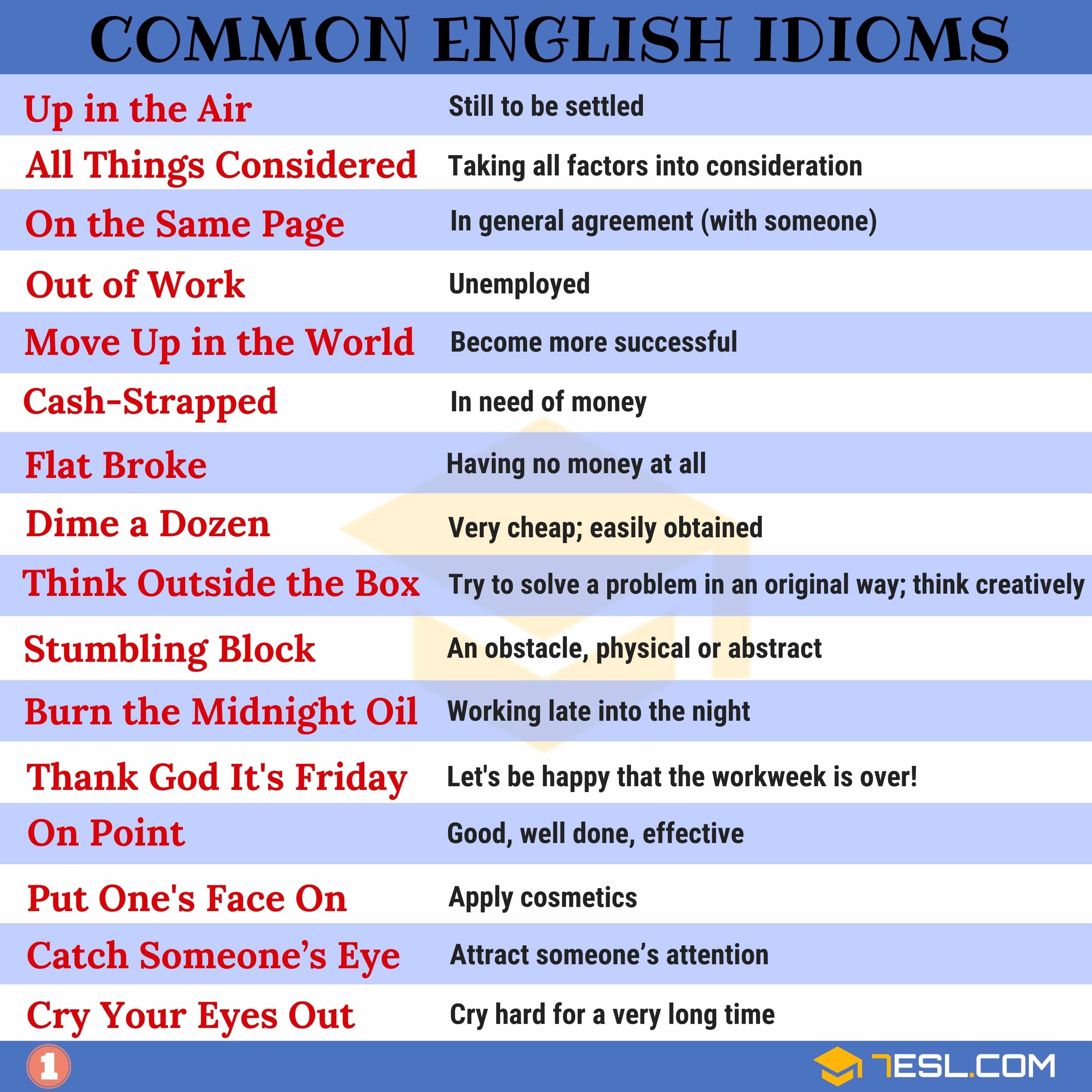
Idiom 1500 English Idioms From Az With Examples Vacation Cheat Sheet:
Idioms - ESLBUZZ
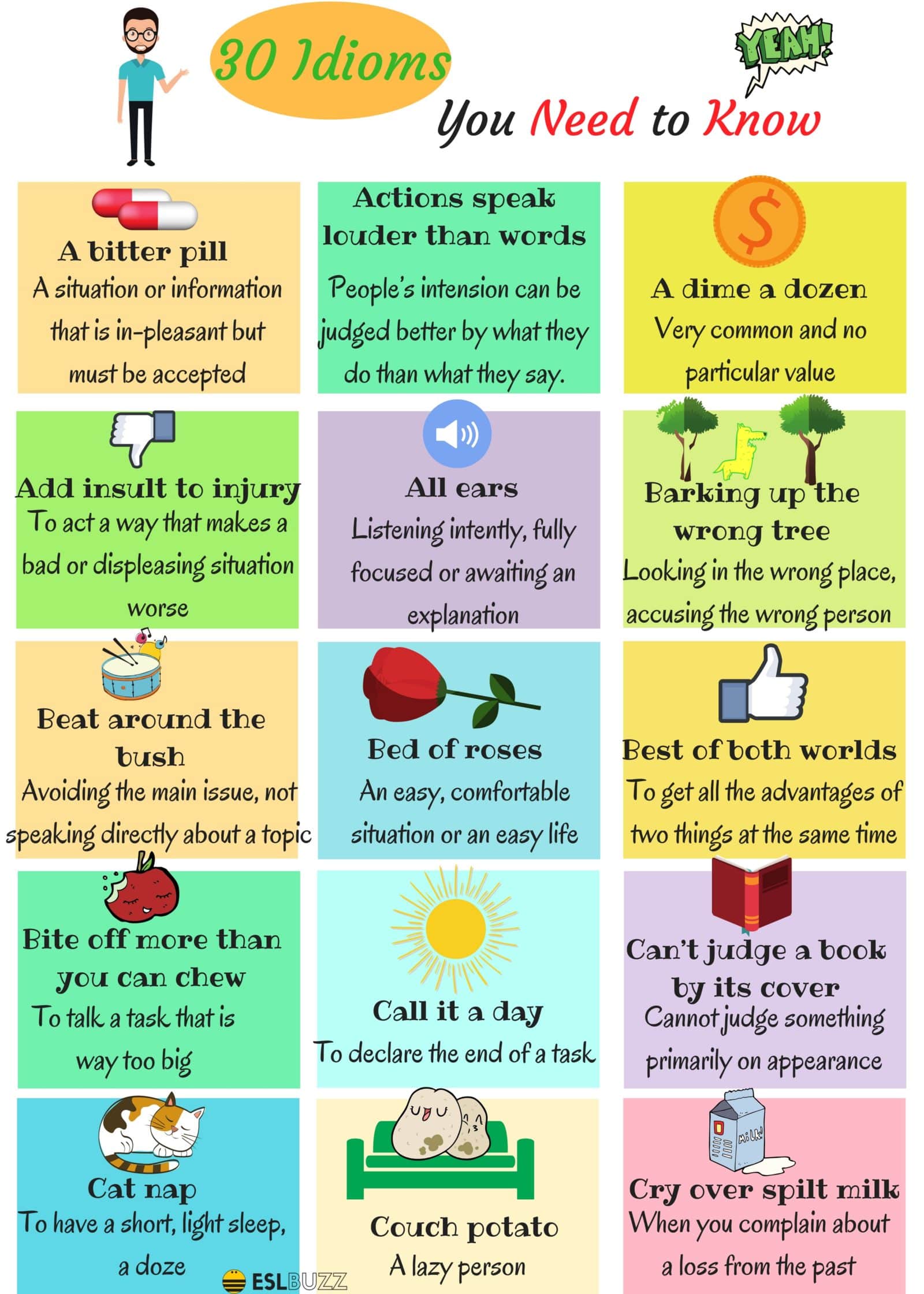
Idioms - ESLBUZZ
Burn Bridges Idiom Meaning And Sentence - Infoupdate.org

Burn Bridges Idiom Meaning And Sentence - Infoupdate.org