
Idioms to Use in Essays: Elevate Your Academic Writing with These Timeless Phrases
When crafting essays, the difference between ordinary and compelling writing often lies in the subtle art of language choice. Idioms to use in essays aren’t just decorative flourishes—they’re tools that can transform dry explanations into vivid expressions of insight. Imagine describing a complex economic theory not as “a system with flaws,” but as “a house of cards waiting to collapse.” That shift isn’t just stylistic; it’s strategic. By weaving idioms into your academic work, you anchor abstract ideas in shared cultural understanding, making your arguments resonate with clarity and memorability. The challenge? Choosing idioms that complement, rather than distract from, your thesis.
Why Idioms Matter in Academic Writing
Idioms serve as cognitive shortcuts, allowing readers to grasp nuanced concepts quickly. For instance, “hit the nail on the head” immediately conveys precision, while “beyond the pale” signals a violation of acceptable standards. These phrases carry weight that generic terms lack. However, their effectiveness hinges on appropriateness. Overused idioms (e.g., “think outside the box”) can dilute your credibility, whereas rare, well-chosen ones signal mastery of language. The key is selectivity: each idiom must align with your topic, audience, and argument’s tone.
Avoiding Overused Clichés
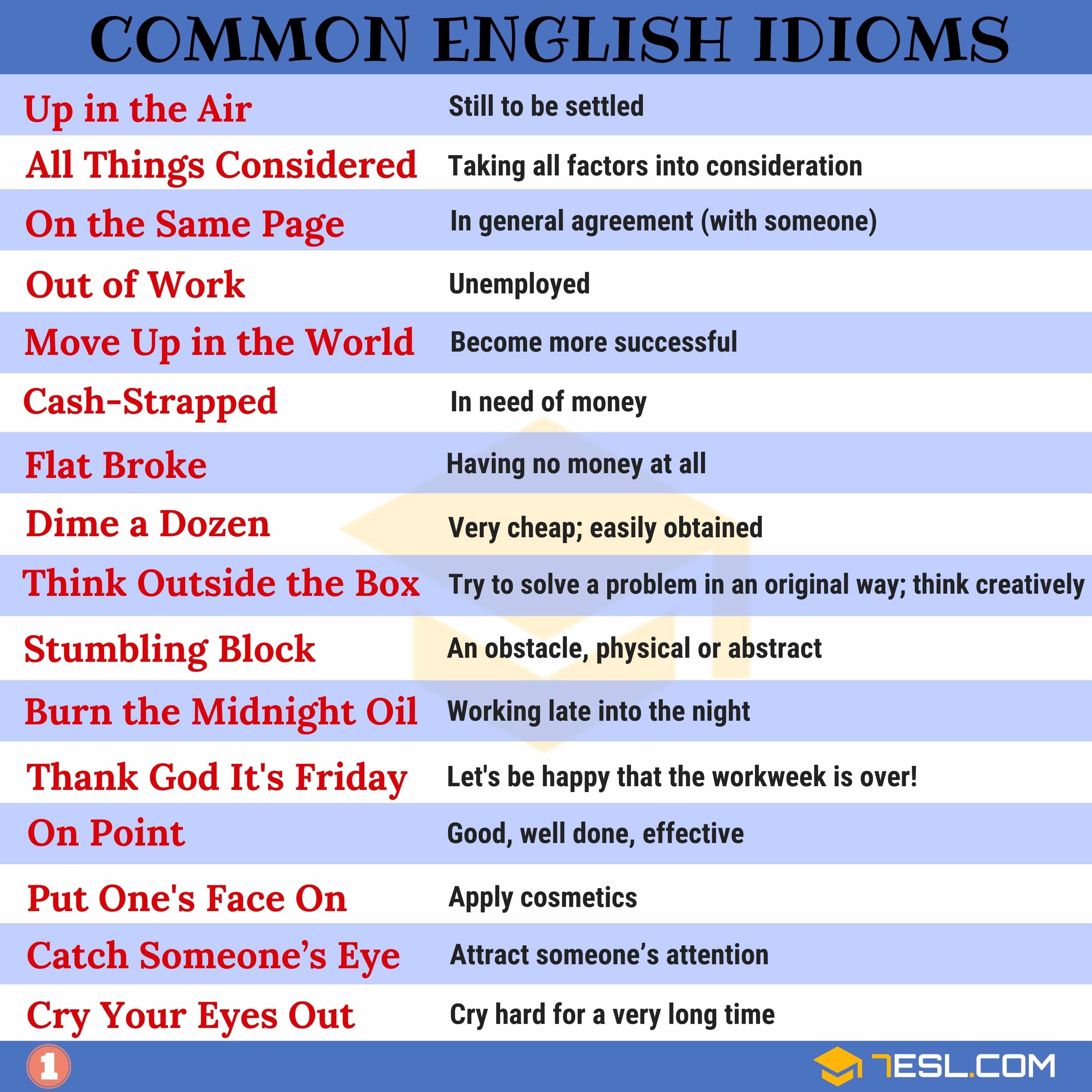
Ditch the banality. Instead of “break the ice,” which has lost its novelty, consider “cut through the jargon” to signal clarity in complex discussions. The images from 7ESL’s rare idioms collection highlight lesser-known expressions like “bite the bullet” (face a difficult task) or “spill the beans” (reveal information), which can add freshness to your prose when used sparingly. Pair these with precise context to ensure they enhance rather than obscure meaning.

Choosing Contextually Rich Idioms
When discussing innovation, “turn over a new leaf” (start fresh) might feel forced. Instead, opt for “cutting-edge” or “paving the way,” which metaphorically mirror the idiom’s essence while sounding natural. For literary analysis, “paint the town red” (celebrate) or “walk in someone’s shoes” (understand their perspective) can subtly reinforce themes of transformation or empathy. The power lies in matching idiom structure to your argument’s logic.
Balancing Creativity and Formality
Academic writing demands restraint. While idioms like “the ball is in your court” (your responsibility) inject dynamism, overreliance can veer into informality. Test each idiom by asking: Does it clarify or complicate? For example, in a philosophy essay, “the proof of the pudding is in the eating” (testing true value) could illustrate empirical validation, but only if tied to clear reasoning. Formality isn’t about avoiding idioms—it’s about using them purposefully.

Money and Metaphor: Idioms for Economic Arguments
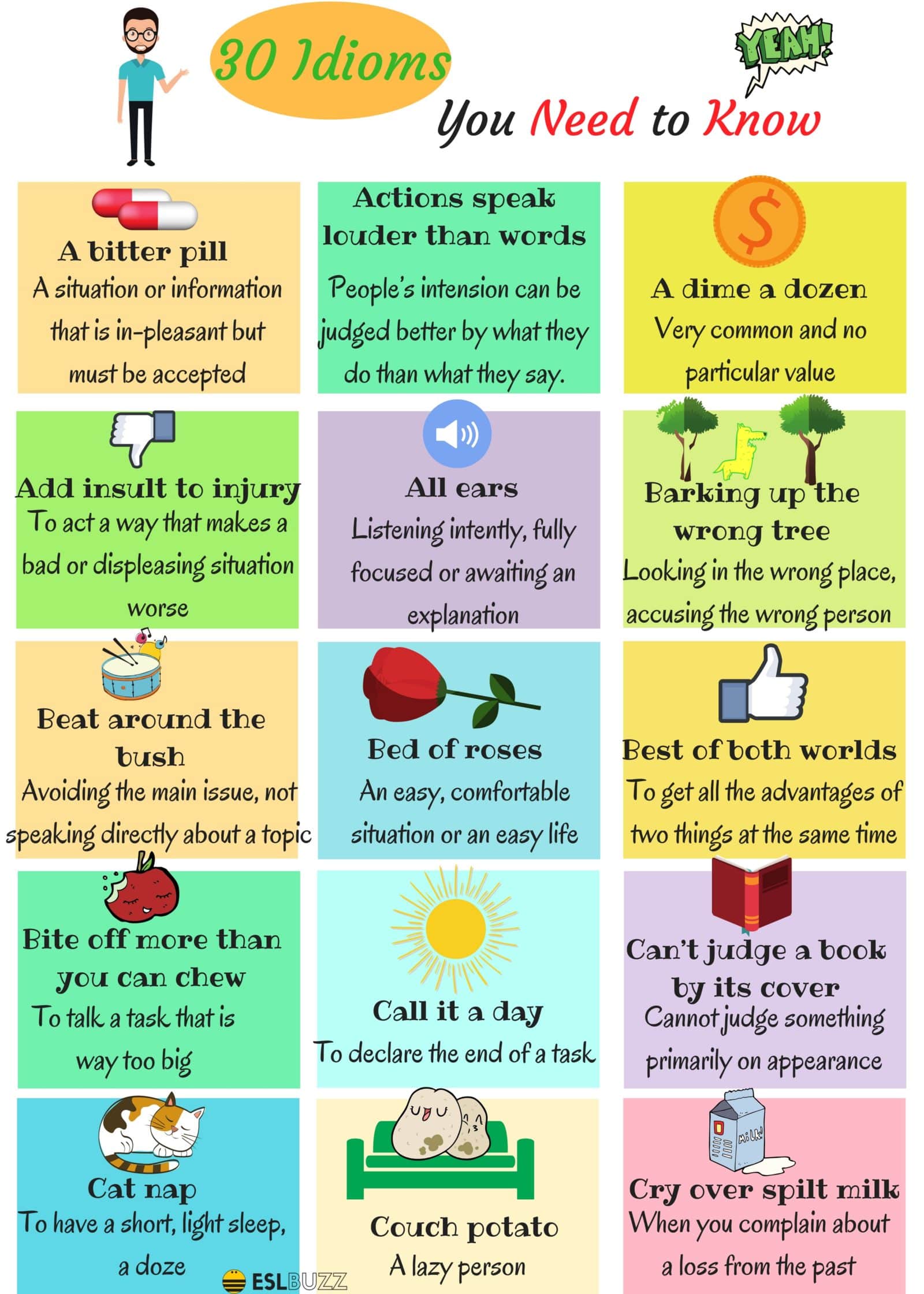
The second image from Idioms Online demonstrates how idioms tied to money can sharpen critiques of economic systems. Phrases like “making ends meet” (managing expenses) or “rinse and repeat” ( cyclical patterns) resonate with students analyzing fiscal policies. When dissecting inflation, “printing money like confetti” (excessive production) dramatizes excess without sacrificing analytical rigor. These idioms anchor abstract debates in relatable imagery.
Common Pitfalls to Avoid
Never force an idiom into a sentence where it feels tacked on. For example, “The project was a *home run*” works in sportswriting but seems out of place discussing urban planning. Similarly, avoid idioms with double meanings that could confuse readers—especially non-native speakers. Always define or elaborate if uncertainty exists. Finally, check your institution’s style guide: some disciplines prefer overt formality, while others welcome figurative language.
Mastery of idioms transforms essays from reports into narratives. By selecting phrases that are vivid yet precise, you invite readers into your argument rather than merely presenting conclusions. As the rare idioms in the first image show, even obscure expressions become powerful when aligned with your voice and purpose.
When crafting essays, the difference between ordinary and compelling writing often lies in the subtle art of language choice. Idioms to use in essays aren’t just decorative flourishes—they’re tools that can transform dry explanations into vivid expressions of insight. Imagine describing a complex economic theory not as “a system with flaws,” but as “a house of cards waiting to collapse.” That shift isn’t just stylistic; it’s strategic. By weaving idioms into your academic work, you anchor abstract ideas in shared cultural understanding, making your arguments resonate with clarity and memorability. The challenge? Choosing idioms that complement, rather than distract from, your thesis.
Why Idioms Matter in Academic Writing
Idioms serve as cognitive shortcuts, allowing readers to grasp nuanced concepts quickly. For instance, “hit the nail on the head” immediately conveys precision, while “beyond the pale” signals a violation of acceptable standards. These phrases carry weight that generic terms lack. However, their effectiveness hinges on appropriateness. Overused idioms (e.g., “think outside the box”) can dilute your credibility, whereas rare, well-chosen ones signal mastery of language. The key is selectivity: each idiom must align with your topic, audience, and argument’s tone.
Avoiding Overused Clichés
Ditch the banality. Instead of “break the ice,” which has lost its novelty, consider “cut through the jargon” to signal clarity in complex discussions. The images from 7ESL’s rare idioms collection highlight lesser-known expressions like “bite the bullet” (face a difficult task) or “spill the beans” (reveal information), which can add freshness to your prose when used sparingly. Pair these with precise context to ensure they enhance rather than obscure meaning.
Choosing Contextually Rich Idioms
When discussing innovation, “turn over a new leaf” (start fresh) might feel forced. Instead, opt for “cutting-edge” or “paving the way,” which metaphorically mirror the idiom’s essence while sounding natural. For literary analysis, “paint the town red” (celebrate) or “walk in someone’s shoes” (understand their perspective) can subtly reinforce themes of transformation or empathy. The power lies in matching idiom structure to your argument’s logic.
Balancing Creativity and Formality
Academic writing demands restraint. While idioms like “the ball is in your court” (your responsibility) inject dynamism, overreliance can veer into informality. Test each idiom by asking: Does it clarify or complicate? For example, in a philosophy essay, “the proof of the pudding is in the eating” (testing true value) could illustrate empirical validation, but only if tied to clear reasoning. Formality isn’t about avoiding idioms—it’s about using them purposefully.
Money and Metaphor: Idioms for Economic Arguments
The second image from Idioms Online demonstrates how idioms tied to money can sharpen critiques of economic systems. Phrases like “making ends meet” (managing expenses) or “rinse and repeat” ( cyclical patterns) resonate with students analyzing fiscal policies. When dissecting inflation, “printing money like confetti” (excessive production) dramatizes excess without sacrificing analytical rigor. These idioms anchor abstract debates in relatable imagery.
Common Pitfalls to Avoid
Never force an idiom into a sentence where it feels tacked on. For example, “The project was a *home run*” works in sportswriting but seems out of place discussing urban planning. Similarly, avoid idioms with double meanings that could confuse readers—especially non-native speakers. Always define or elaborate if uncertainty exists. Finally, check your institution’s style guide: some disciplines prefer overt formality, while others welcome figurative language.
Mastery of idioms transforms essays from reports into narratives. By selecting phrases that are vivid yet precise, you invite readers into your argument rather than merely presenting conclusions. As the rare idioms in the first image show, even obscure expressions become powerful when aligned with your voice and purpose.
Idiom 1500 English Idioms From Az With Examples Vacation Cheat Sheet:
Idiom 1500 English Idioms From Az With Examples Vacation Cheat Sheet:
Burn Bridges Idiom Meaning And Sentence - Infoupdate.org
Burn Bridges Idiom Meaning And Sentence - Infoupdate.org
Idioms - ESLBUZZ
Idioms - ESLBUZZ