Should Writers Use Their Own English Idioms? Practical Guidance for Clarity and Style
Idioms are the spices of language, adding flavor and vividness to plain expressions. But when writers ask whether they should use their own English idioms, the answer isn’t always straightforward. Balancing authenticity, audience, and clarity requires a nuanced approach.
The Role of Idioms in Authentic Writing
Idioms like “break the ice” or “piece of cake” infuse writing with personality. They create rhythm and cultural resonance that literal phrases lack. Original idioms can reflect a writer’s voice, making their work memorable. However, overusing them risks sounding forced or pedantic. The key is strategic deployment—using idioms to enhance, not overshadow, the message.
Knowing Your Audience: When Idioms Fall Flat
Global audiences may misinterpret idioms tied to specific cultures. For instance, “raining cats and dogs” confuses readers unfamiliar with its meaning. In professional or technical writing, clarity trumps charm. If your content targets diverse or inexperienced readers, idioms might dilute your message. Prioritize accessibility, and reserve idioms for contexts where they’re widely understood.
Crafting Your Own Idioms: A Practical Approach
Creating fresh idioms demands creativity and precision. Start by identifying a concept to express. For example, “feeling overwhelmed” could become “like a squirrel in a blender.” Test the idiom for clarity and memorability. Ensure it follows idiomatic grammar, such as using modal verbs (“should,” “could”) to suggest possibility or obligation. Mastering this process helps writers balance originality with comprehension.
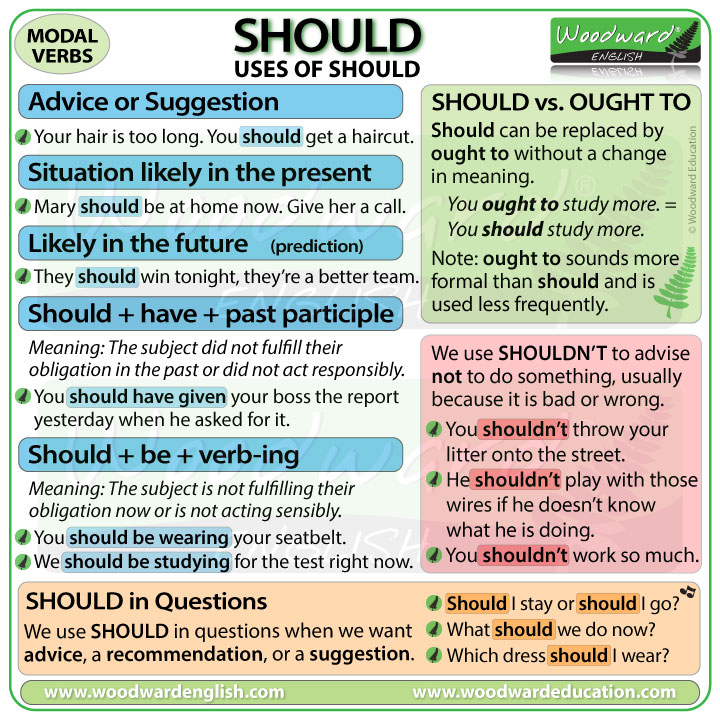
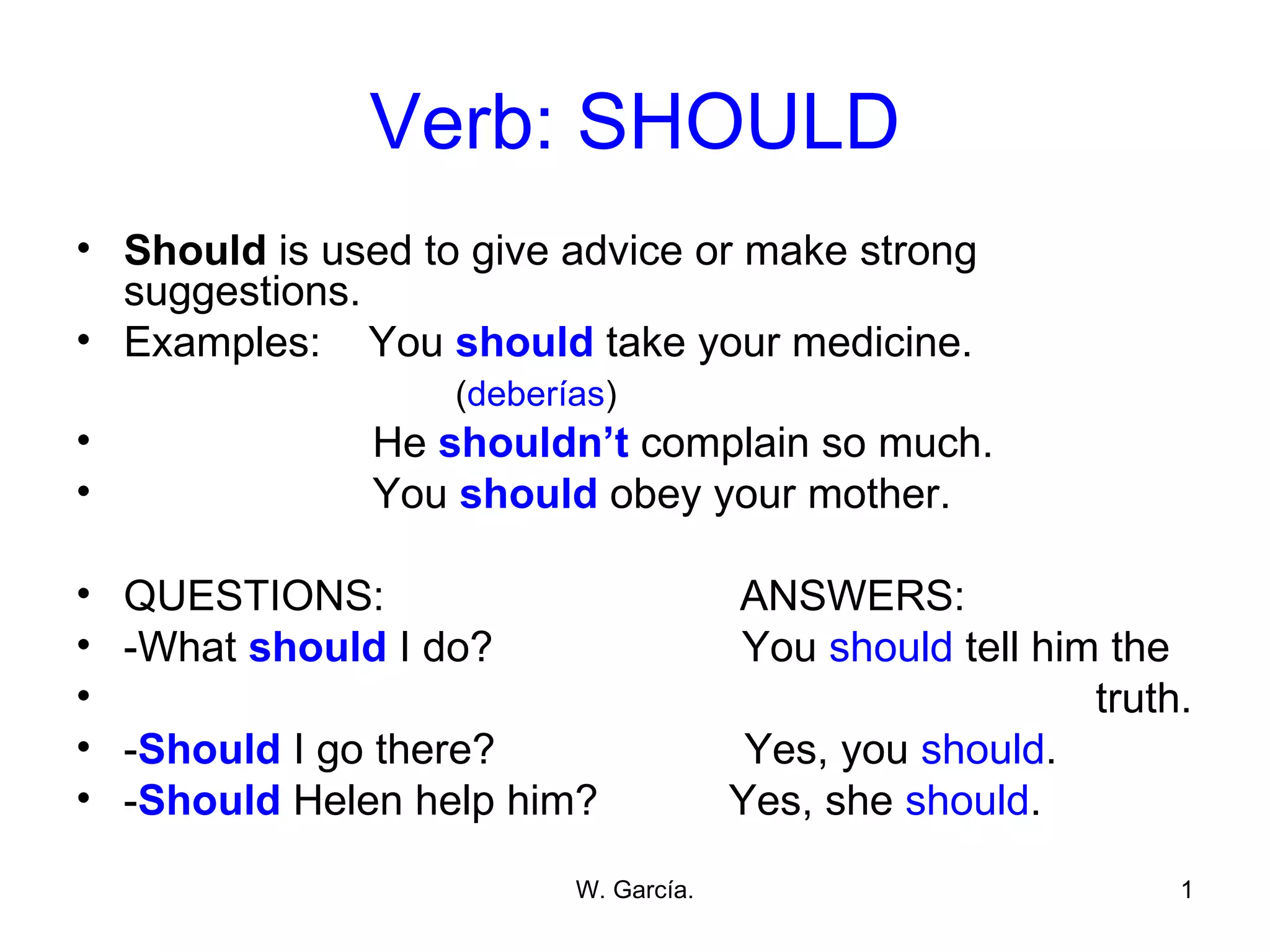
Modal verbs often anchor idioms, shaping their meaning. For instance, “should” implies expectation (“You should see this!”), while “could” hints at possibility (“This could work”). Understanding how these verbs function helps writers construct idioms that feel natural, not forced. It also aids in explaining idioms to readers who struggle with figurative language.
When Personal Style Meets Audience Needs
Use idioms to align your tone with your audience. A blog post for casual readers can embrace playful expressions, like “don’t throw the baby out with the bathwater.” For academic or formal documents, stick to widely recognized phrases or definitions. The goal is connection, not complexity. If an idiom distracts, replace it with a clearer alternative.
Practice Makes Perfect with Exercises

Sharpen your idiom skills through targeted exercises. Use drills that mix idioms with fill-in-the-blank sentences or creative rewrites. For example, replace “under the weather” with a literal phrase to test comprehension. Apps or websites offering interactive grammar exercises (like those linked in the image) can help you master usage without overcomplication. Regular practice builds confidence in both using and explaining idioms.
Final Thoughts: Balance is the Goal
Writers should weigh their unique voice against audience expectations. Use idioms to engage and enlighten, not alienate. When crafting original idioms, prioritize clarity and cultural relevance. Exercises and structural awareness—like understanding modal verbs—are practical tools to refine this skill. Strive for idioms that feel authentic, not arbitrary, and always ask: Does this idiom serve the reader or just the writer?
Idioms are the spices of language, adding flavor and vividness to plain expressions. But when writers ask whether they should use their own English idioms, the answer isn’t always straightforward. Balancing authenticity, audience, and clarity requires a nuanced approach.
The Role of Idioms in Authentic Writing
Idioms like “break the ice” or “piece of cake” infuse writing with personality. They create rhythm and cultural resonance that literal phrases lack. Original idioms can reflect a writer’s voice, making their work memorable. However, overusing them risks sounding forced or pedantic. The key is strategic deployment—using idioms to enhance, not overshadow, the message.
Knowing Your Audience: When Idioms Fall Flat
Global audiences may misinterpret idioms tied to specific cultures. For instance, “raining cats and dogs” confuses readers unfamiliar with its meaning. In professional or technical writing, clarity trumps charm. If your content targets diverse or inexperienced readers, idioms might dilute your message. Prioritize accessibility, and reserve idioms for contexts where they’re widely understood.
Crafting Your Own Idioms: A Practical Approach
Creating fresh idioms demands creativity and precision. Start by identifying a concept to express. For example, “feeling overwhelmed” could become “like a squirrel in a blender.” Test the idiom for clarity and memorability. Ensure it follows idiomatic grammar, such as using modal verbs (“should,” “could”) to suggest possibility or obligation. Mastering this process helps writers balance originality with comprehension.
Modal verbs often anchor idioms, shaping their meaning. For instance, “should” implies expectation (“You should see this!”), while “could” hints at possibility (“This could work”). Understanding how these verbs function helps writers construct idioms that feel natural, not forced. It also aids in explaining idioms to readers who struggle with figurative language.
When Personal Style Meets Audience Needs
Use idioms to align your tone with your audience. A blog post for casual readers can embrace playful expressions, like “don’t throw the baby out with the bathwater.” For academic or formal documents, stick to widely recognized phrases or definitions. The goal is connection, not complexity. If an idiom distracts, replace it with a clearer alternative.
Practice Makes Perfect with Exercises
Sharpen your idiom skills through targeted exercises. Use drills that mix idioms with fill-in-the-blank sentences or creative rewrites. For example, replace “under the weather” with a literal phrase to test comprehension. Apps or websites offering interactive grammar exercises (like those linked in the image) can help you master usage without overcomplication. Regular practice builds confidence in both using and explaining idioms.
Final Thoughts: Balance is the Goal
Writers should weigh their unique voice against audience expectations. Use idioms to engage and enlighten, not alienate. When crafting original idioms, prioritize clarity and cultural relevance. Exercises and structural awareness—like understanding modal verbs—are practical tools to refine this skill. Strive for idioms that feel authentic, not arbitrary, and always ask: Does this idiom serve the reader or just the writer?
Verbs Should.And.Could. | PPT
Verbs Should.And.Could. | PPT
Best 13 English Conversation Worksheets – Artofit

Best 13 english conversation worksheets – Artofit
Should

Should