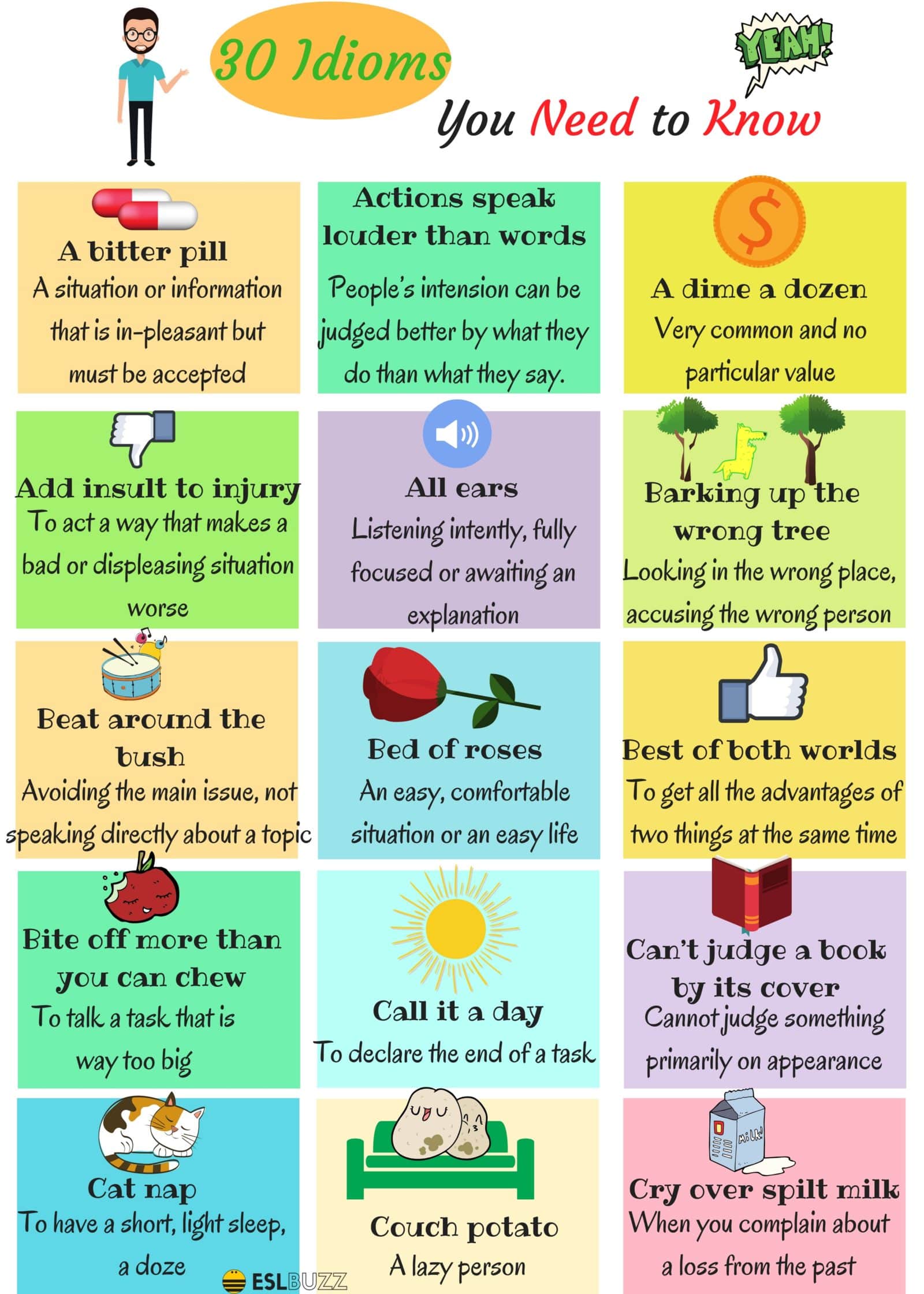
Mastering Idioms in English with Meaning: Avoid Common Pitfalls and Embrace Smarter Usage
Idioms in english with meaning often trip up even seasoned speakers, creating misunderstandings that can ripple through conversations. These figurative expressions, while rich in cultural nuance, require more than rote memorization to wield effectively. This guide explores how to navigate their pitfalls, spot frequent missteps, and refine your approach to idioms in english with meaning for clearer communication.
Common Mistakes in Idioms in English with Meaning
When mastering idioms in english with meaning, literal interpretations often derail comprehension. Take "break a sweat" – newcomers might picture someone physically cracking their skin, when it simply means exerting effort. Similarly, "it’s raining cats and dogs" doesn’t describe a zoo flood but a heavy downpour. Mistakes compound when learners apply idioms rigidly across contexts; "spilling the beans" fits social gossip, not literal coffee mishaps. To sidestep these errors, focus on contextual usage rather than word-for-word translation, and bookmark phrases like "hit the hay" or "piece of cake" with their exact situational applications in mind.
Essential Money Idioms Every Speaker Should Know

Money-related idioms in english with meaning carry outsized impact in professional or fiscal discussions, yet missteps here can signal naivety. For instance, "dime a dozen" often describes cheap, ubiquitous items, but overhearing someone say "those reports are a dime a dozen" might misunderstand the phrase’s dismissive tone toward abundance. Conversely, "penny wise, pound foolish" warns against penny-pinching over costly inefficiencies – a valuable mindset for budgeting. When encountering terms like "penny pinch," note they imply excessive small-scale stinginess that undermines bigger goals. These idioms sharpen economic arguments, provided users grasp their layered implications beyond surface definitions.
Navigating Cultural Nuances with Idioms in English with Meaning
Idioms in english with meaning frequently embed cultural history, complicating cross-cultural exchanges. A British speaker using "to penny-pinch" might evoke Victorian-era frugality, while an American ear hears only modern thrift. Conversely, idioms like "cost an arm and a leg" resonate differently in regions preferring direct cost descriptors. To adapt effectively, observe interlocutors’ reactions: when hearing "don’t look a gift horse in the mouth," inquire if phrasing feels natural, or offer clearer substitutions like "don’t judge a gift unfavorably." Regional alternatives – "a penny saved" evolving into "a dollar saved" in some dialects – highlight how idioms morph across audiences. Mindful adjustment trumps rigid adherence to textbook meanings.
Practical Tips for Effective Idiom Usage
Engaging with idioms in english with meaning demands deliberate practice and feedback loops. Watch subtitled films or podcasts, noting how characters weave phrases like "bite the bullet" into narrative turns. Maintain a dynamic list, adding new idioms encountered in conversation not just formal study. Test yourself by substituting literal phrases with idioms in sentences: "spilled coffee on my shirt" becomes "messed up my look" using "messed up." Share your attempts with peers, asking, "Does ‘I’m beat’ sound natural for exhaustion?" Regular dialogue refines instinctive usage faster than static memorization. Track which idioms elicit confusion from non-native speakers too; simplifying to universally understood phrases like "save money" instead of "shell out" ensures inclusivity. Iteration turns idioms from stumbling blocks into communication accelerators.
Idioms in english with meaning often trip up even seasoned speakers, creating misunderstandings that can ripple through conversations. These figurative expressions, while rich in cultural nuance, require more than rote memorization to wield effectively. This guide explores how to navigate their pitfalls, spot frequent missteps, and refine your approach to idioms in english with meaning for clearer communication.
Common Mistakes in Idioms in English with Meaning
When mastering idioms in english with meaning, literal interpretations often derail comprehension. Take "break a sweat" – newcomers might picture someone physically cracking their skin, when it simply means exerting effort. Similarly, "it’s raining cats and dogs" doesn’t describe a zoo flood but a heavy downpour. Mistakes compound when learners apply idioms rigidly across contexts; "spilling the beans" fits social gossip, not literal coffee mishaps. To sidestep these errors, focus on contextual usage rather than word-for-word translation, and bookmark phrases like "hit the hay" or "piece of cake" with their exact situational applications in mind.
Essential Money Idioms Every Speaker Should Know
Money-related idioms in english with meaning carry outsized impact in professional or fiscal discussions, yet missteps here can signal naivety. For instance, "dime a dozen" often describes cheap, ubiquitous items, but overhearing someone say "those reports are a dime a dozen" might misunderstand the phrase’s dismissive tone toward abundance. Conversely, "penny wise, pound foolish" warns against penny-pinching over costly inefficiencies – a valuable mindset for budgeting. When encountering terms like "penny pinch," note they imply excessive small-scale stinginess that undermines bigger goals. These idioms sharpen economic arguments, provided users grasp their layered implications beyond surface definitions.
Navigating Cultural Nuances with Idioms in English with Meaning
Idioms in english with meaning frequently embed cultural history, complicating cross-cultural exchanges. A British speaker using "to penny-pinch" might evoke Victorian-era frugality, while an American ear hears only modern thrift. Conversely, idioms like "cost an arm and a leg" resonate differently in regions preferring direct cost descriptors. To adapt effectively, observe interlocutors’ reactions: when hearing "don’t look a gift horse in the mouth," inquire if phrasing feels natural, or offer clearer substitutions like "don’t judge a gift unfavorably." Regional alternatives – "a penny saved" evolving into "a dollar saved" in some dialects – highlight how idioms morph across audiences. Mindful adjustment trumps rigid adherence to textbook meanings.
Practical Tips for Effective Idiom Usage
Engaging with idioms in english with meaning demands deliberate practice and feedback loops. Watch subtitled films or podcasts, noting how characters weave phrases like "bite the bullet" into narrative turns. Maintain a dynamic list, adding new idioms encountered in conversation not just formal study. Test yourself by substituting literal phrases with idioms in sentences: "spilled coffee on my shirt" becomes "messed up my look" using "messed up." Share your attempts with peers, asking, "Does ‘I’m beat’ sound natural for exhaustion?" Regular dialogue refines instinctive usage faster than static memorization. Track which idioms elicit confusion from non-native speakers too; simplifying to universally understood phrases like "save money" instead of "shell out" ensures inclusivity. Iteration turns idioms from stumbling blocks into communication accelerators.
Idiom 1500 English Idioms From Az With Examples Vacation Cheat Sheet:
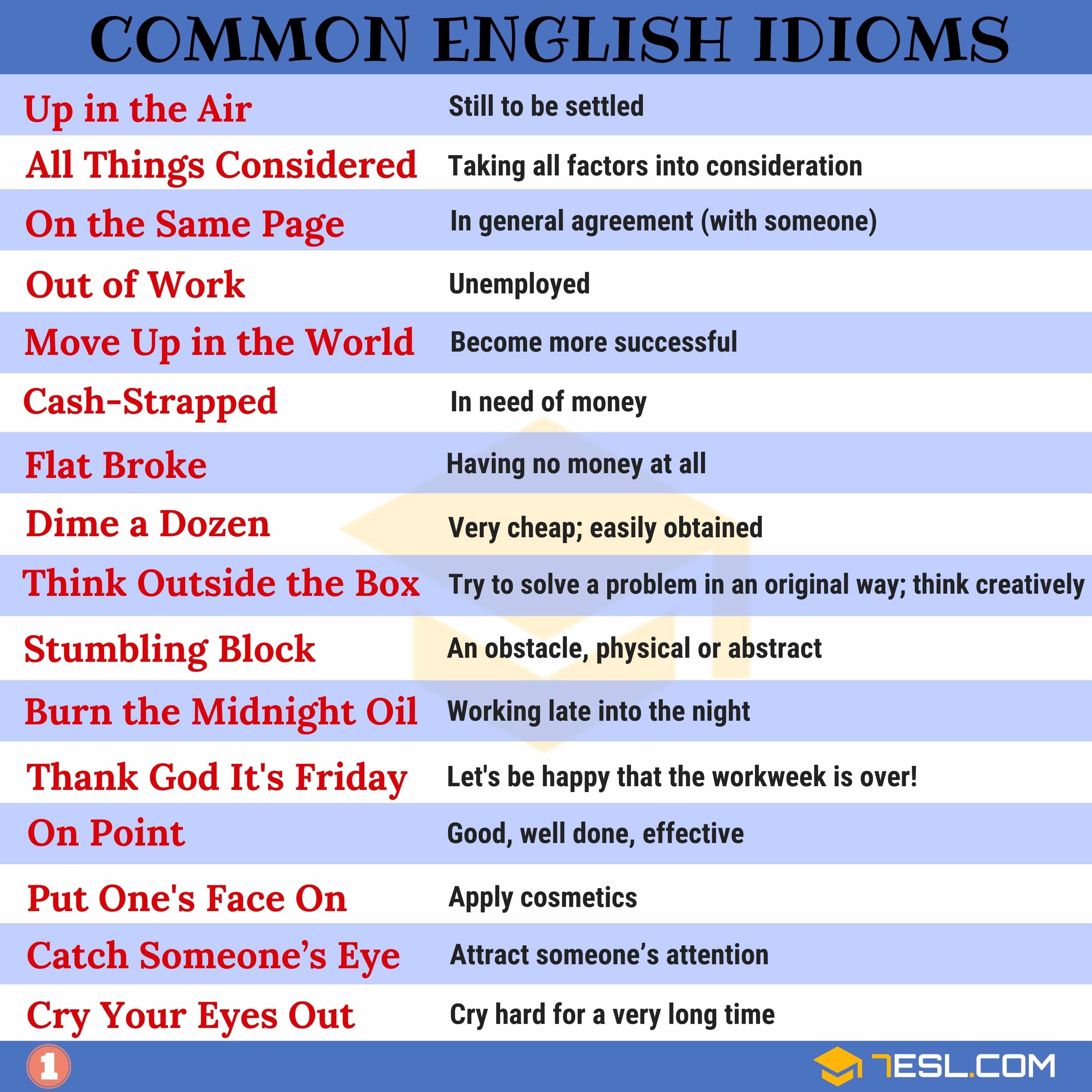
Idiom 1500 English Idioms From Az With Examples Vacation Cheat Sheet:
Burn Bridges Idiom Meaning And Sentence - Infoupdate.org

Burn Bridges Idiom Meaning And Sentence - Infoupdate.org
56 Rare Idioms In English With Meanings And Examples • 7ESL

56 Rare Idioms in English with Meanings and Examples • 7ESL